Emory University Program Supports Autistic Students on Their College Journey
College is a big change for anyone. For autistic students, it can bring challenges that other students do not face. Challenges such as knowing how to study, when to ask for help, how to make friends, or how to manage daily life. Emory University’s Emory Oaks program meets those challenges head-on, with one-on-one support, practical tools, and a community where autistic students belong.
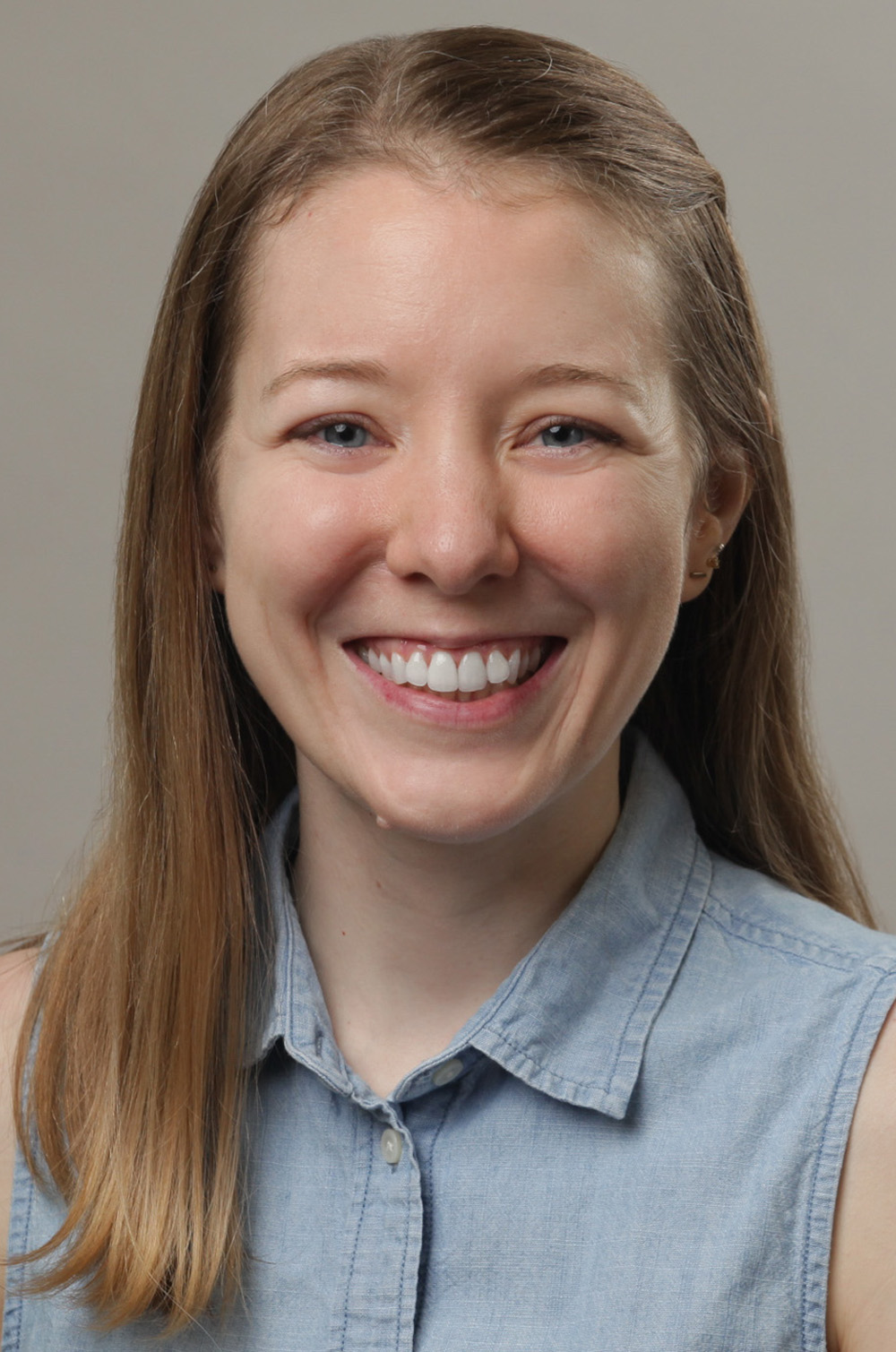 Kelsey Bohlke, Assistant Director for Emory Oaks“Autistic students face many of the same challenges as other college students,” said Kelsey Bohlke, Assistant Director for Emory Oaks. “The difference is that neurotypical students often seem to pick up on how things work without being directly taught. Autistic students can benefit from having those things explained more clearly, whether it’s how to handle academics, find strategies that work for them, or learn how to study. Many of our students didn’t need to study in high school, so college may be the first time they’re learning how.”
Emory Oaks has been a resource for Emory students across the globe, supporting autistic students on all of Emory’s campuses. Since the program began in 2022, 68 students have been supported, and 33 students have graduated with their degree. All those students graduated either early or on expected timelines for their program of study.
The inspiration for Emory Oaks came from Dr. Matt Segall, who is now the program director. When Segall arrived at the Emory Autism Center, his work focused on K-12 autism consulting. He particularly focused on inclusive education for autistic students in grade school.
Segall said, “The college work came from a very in-front-of-my-face series of questions: ‘What happens after students graduate high school? What does that look like? Do they go on to higher education? What do things look like in adulthood?’”
He began his research 15 years ago, and his findings identified a need for more support for autistic students. Then in 2020, a grant from the Administration for Community Living was secured that helped to establish the Georgia College Transition Partnership. The University of Georgia’s University Center of Excellence for Developmental Disabilities – Center on Human Development and Disability, Georgia State University’s Center of Excellence for Developmental Disabilities – Center for Leadership in Disability, and Emory University’s Emory Autism Center worked together to create what is now Emory Oaks.
Emory Oaks is unique from other universities’ programs because it provides a full-time support navigator who regularly meets with students to learn about their goals, strengths, and interests. The navigator and student then work together to identify goals and what supports and services are available to them at Emory. This can include academic accommodations, career support, mentors, academic coaching, and mental wellness support.
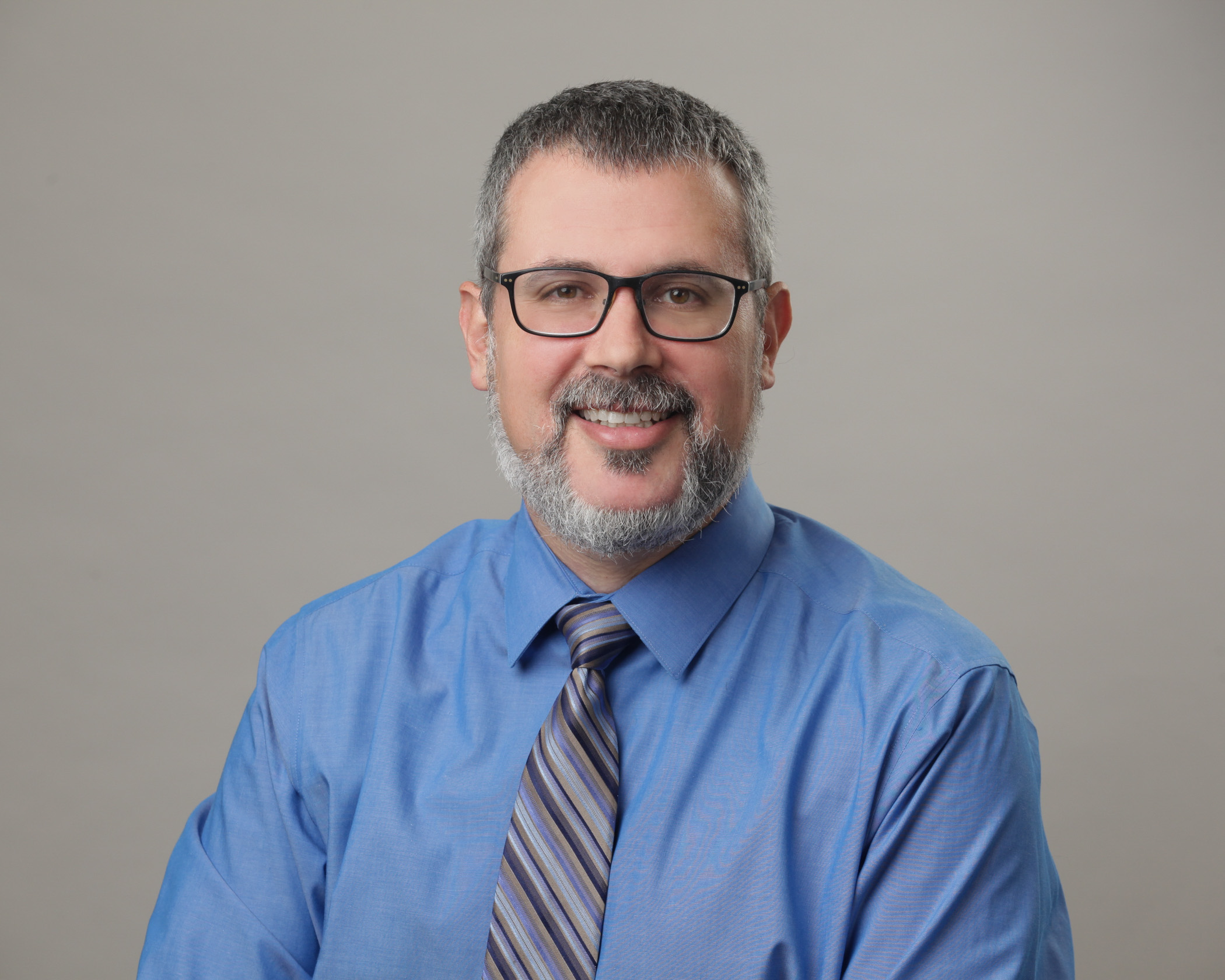 Dr. Matt Segall, Program Director for Emory Oaks“While our program is too young to have reliable data on post-graduation outcomes, at the time of graduation, approximately 75% of our graduates have clear and concrete plans for their next opportunity after graduation, like securing internships and further education in graduate school,” said Segall.
The support at Emory Oaks also comes from the sense of community it fosters, offering a strong support group and lifelong friendships.
“Through Kelsey’s guidance, I was able to become a lot more functional and meet other people in the autism community,” said Taeseong Heo, a student at Emory University and Georgia Tech who participated in Emory Oaks. “This support system both helped me with daily practical skills and connected me to a community. It has helped me grow greatly as a student and person.”
Parents also celebrate the growth they see within their students. For Tasha Odom’s son Serge, the first semester of college was very difficult due to a lack of emotional and social support. This led to Serge spending his second semester on medical leave. That was when Odom began searching and found Emory Oaks.
“Serge connected with one of the people running the program before returning to campus the following fall. When he came back, he participated in events and meetings to share his feelings and challenges of being a student at Emory,” said Odom. “Emory Oaks made a real difference in Serge’s time at Emory. He was able to have someone to talk to and get support when he needed it. Serge also made a genuine friend during his participation at Emory Oaks.”
With the help of Emory Oaks, autistic students can thrive socially and academically in the chaotic world of higher education, and the skills participants take with them last beyond their education.
“I tell students all the time, ‘You’ve never been a college student before. It is okay that you don’t know how to be a college student because you’ve never had to be one,’” says Bohlke. “Of course, students have to learn how, and Emory Oaks is here to help with that process.”
Learn more about Emory Oaks at https://med.emory.edu/departments/psychiatry/autism/services/oaks/index.html.